
HMRC issues guidance on QR code scam
HMRC routinely updates its guidance on known scams that attempt to trick individuals into divulging personal information. Another variation involving QR codes has appeared in recent weeks. What is HMRC advising?
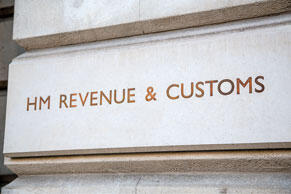
HMRC has confirmed that it will not send a QR code to a taxpayer so if anyone receives a demand for payment with a QR code, it is a scam.
However, a QR code presented to a taxpayer when logged into their HMRC account is genuine. The taxpayer can simply scan the QR code with a mobile device, which will open their online banking account and prepopulate the payment details. The payment details displayed on their mobile banking platform should mirror those shown in their HMRC online account.
Unfortunately, as HMRC attempts to offer more payment options, new attempts to defraud taxpayers will be made. Everyone should always check whether any communication from HMRC requesting payment or personal information is genuine. Further information can be found here.
Related Topics
-
Do dividend waivers still work?
You need to take a dividend from your company but there’s just one problem. Your business partner, who is also a 50% shareholder, doesn’t want to take any more income from the company during this tax year. What’s the solution?
-
Save tax by combining directors’ loan accounts
You started a company last year and it’s time to prepare its first accounts. Your director’s loan account (DLA) is in credit but your spouse’s is overdrawn. Might amalgamating the DLAs avoid or reduce a tax charge?
-
Updated guidance on mandatory payrolling of benefits in kind
Much like the rollout of mandatory payrolling of benefits in kind, HMRC guidance on the matter is coming in dribs and drabs. What's the latest?
 This website uses both its own and third-party cookies to analyze our services and navigation on our website in order to improve its contents (analytical purposes: measure visits and sources of web traffic). The legal basis is the consent of the user, except in the case of basic cookies, which are essential to navigate this website.